Building Your First FPV Freestyle Drone: A Starter Guide
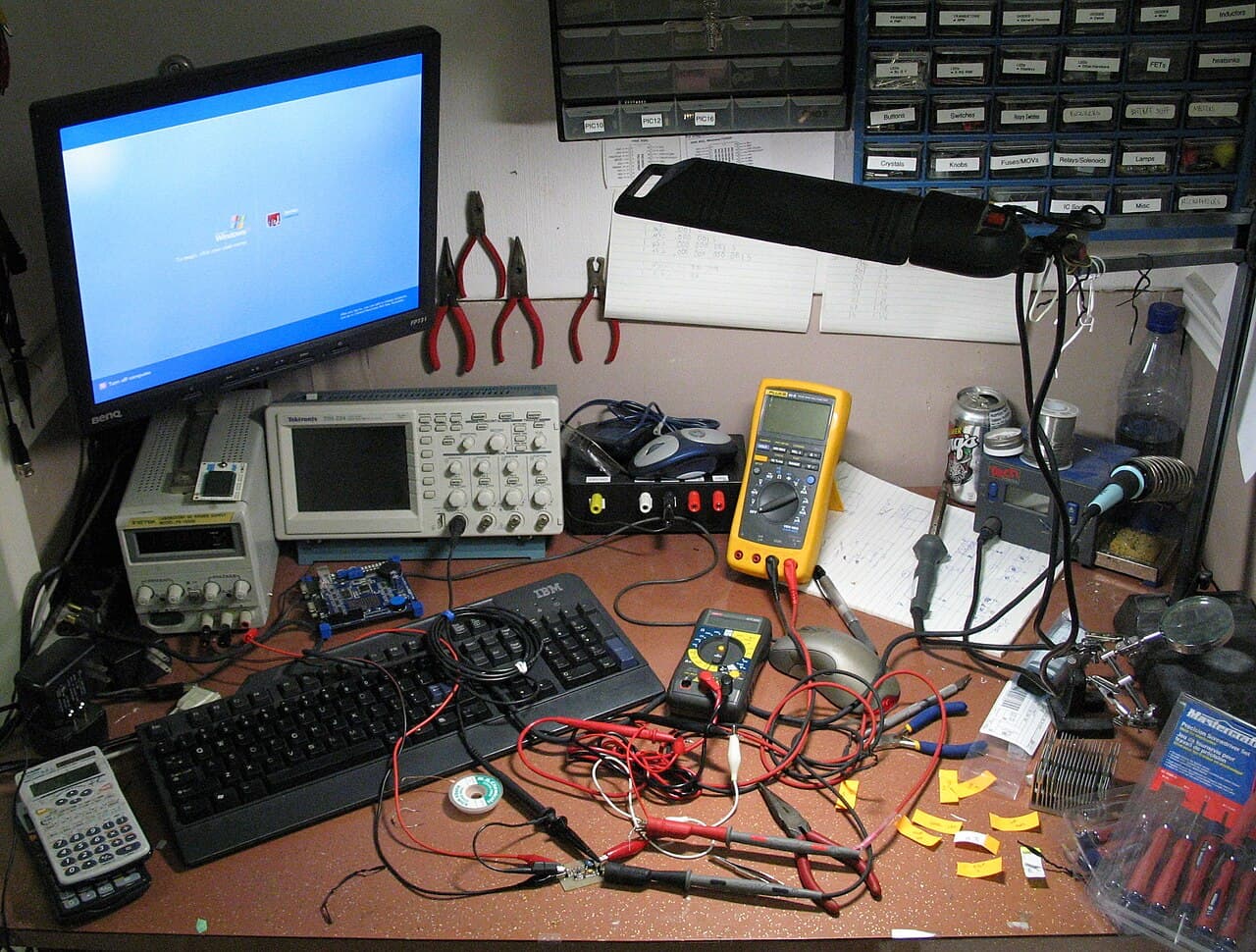
Building a first FPV drone from individual parts, rather than buying something pre-assembled, is one of the more rewarding entry points into the hobby, but it helps enormously to go in with realistic expectations about both the parts list and the process. A complete freestyle build starts with five core components: a frame, four brushless motors, a four-in-one electronic speed controller, a flight controller, and an FPV camera and video transmitter, usually paired together as a single 'AIO' unit for simplicity on a first build. Add a radio receiver, a set of propellers, and a LiPo battery, and that's the full parts list needed to get a quad into the air.
Assembly order matters more than it might seem. The sensible sequence is to mount the flight controller stack — the flight controller and four-in-one ESC bolted together — onto the frame first, using vibration-dampening grommets to isolate the sensitive gyroscope from motor vibration. Motors get soldered to the ESC's motor pads next, followed by the camera and video transmitter, and finally the receiver, which typically connects to the flight controller over a single signal wire alongside power and ground. Leaving the battery connection and propeller installation until absolutely last isn't just convention — it's a genuine safety habit, since a quad with propellers attached and a battery plugged in is a spinning hazard the moment a throttle stick moves unexpectedly.
Soldering quality deserves more attention from first-time builders than it usually gets. A cold or fractured solder joint on a motor wire is one of the most common causes of a mysterious mid-flight failure, since the connection can look intact while actually being unreliable under vibration. Taking the extra few minutes to tin every pad properly, keep wire runs short and well-secured with clips or tape to avoid interference with the propellers, and visually double-check every joint before the first power-up will save far more time than it costs, because diagnosing an intermittent connection after the frame is fully assembled is considerably more frustrating than getting it right the first time.
Software configuration is the step that trips up the most first-time builders, mostly because it's unfamiliar territory for anyone coming from a purely mechanical hobby background. Flashing the correct flight controller firmware, correctly mapping motor outputs so the propellers spin in the right direction and order, calibrating the accelerometer, and setting up the receiver protocol are all necessary before the drone will fly in any predictable way. None of these steps are individually difficult, but skipping the verification step after each one — for example, confirming motor direction using the configurator's motor test feature before ever attaching propellers — is how avoidable crashes happen on a drone's very first flight.
The first flight itself should happen somewhere forgiving: an open field, ideally grass rather than concrete, with nobody standing nearby. Expect the drone to need some PID and rate tuning even after a technically correct build, and expect to crash — every builder does, and the difference between a minor setback and an expensive one usually comes down to how much of the field bag was stocked with spare propellers, motors, and a spare frame arm beforehand. Treated as a learning process rather than a one-shot assembly job, a first build teaches more about how a drone actually works than months of flying something bought pre-made ever could.
Written by Shruti Gupta
Keep Reading
 Racing
The Rise of FPV Drone Racing in India
From garage hobby to televised sport — how first-person-view racing found a home in Indian cities and college campuses.
 Buying Guide
Choosing Your First Beginner Drone: A Complete Buying Guide
Camera drone, mini whoop, or a ready-to-fly kit? A practical framework for picking a first drone without wasting money on the wrong one.
 Tech
TechUnderstanding Flight Controllers: PID Tuning Basics Explained
What a flight controller actually does, and why three letters — P, I, and D — decide whether your drone flies smooth or oscillates itself out of the sky.