Understanding Flight Controllers: PID Tuning Basics Explained

A flight controller is the small board at the centre of every drone that turns pilot input and sensor data into motor commands, dozens of times per second. Strip away the marketing language and it is really just a tiny computer running a gyroscope, an accelerometer, and sometimes a barometer or compass, feeding those readings into a control loop that constantly asks one question: is the drone doing what it was told to do, and if not, how much should each motor speed up or slow down to correct it? Everything else — the OSD, the blackbox logging, the compatibility with a dozen radio protocols — is secondary to that one core job.
The control loop at the heart of this system is called a PID controller, and understanding it is the single most useful piece of knowledge a new pilot or builder can pick up. The 'P' stands for proportional, and it is the most intuitive part: the further the drone's actual angle is from the commanded angle, the harder the P term pushes to correct it. Turn the P gain up too far and the quad overcorrects on every tiny disturbance, visibly shaking or oscillating in the air. Turn it down too far and the drone feels sluggish, wallowing through inputs instead of responding crisply.
The 'I' term, short for integral, exists to fix a problem that P alone cannot solve: small, persistent errors that never quite get corrected, like a slight drift caused by an imbalanced frame or a light breeze. Integral gain accumulates error over time and keeps nudging the correction stronger for as long as the error persists, which is why it is often described as the term responsible for 'holding' an attitude rather than reacting to a single moment. Too much I gain, however, and the drone starts to feel bouncy after fast manoeuvres, as if it overshoots and has to settle back into place — a symptom experienced pilots recognise instantly as 'I-term wobble'.
The 'D' term, derivative, looks at how fast the error is changing rather than the error itself, and its job is to dampen the P and I response so the correction doesn't overshoot. Done well, D gain is what makes a drone feel locked-in and precise rather than twitchy. Done poorly — especially when set too high — it amplifies motor noise and vibration, which is the classic cause of a hot-running flight controller or motors that feel warmer than they should after a short flight. Balancing all three terms against each other, for both the roll, pitch, and yaw axes independently, is what 'tuning' actually means.
None of this requires a control-systems degree to get right in practice. Modern flight controller firmware ships with sane default PID values that fly acceptably out of the box on a typical frame, and most tuning today happens incrementally: fly, look at blackbox log traces or simply listen and feel for oscillation, nudge one gain at a time, and fly again. The instinct to change everything at once is the most common beginner mistake — a controlled, one-variable-at-a-time approach is slower but is the only way to actually understand what each term is doing to your particular airframe.
Written by Shivani Singh
Keep Reading
 Racing
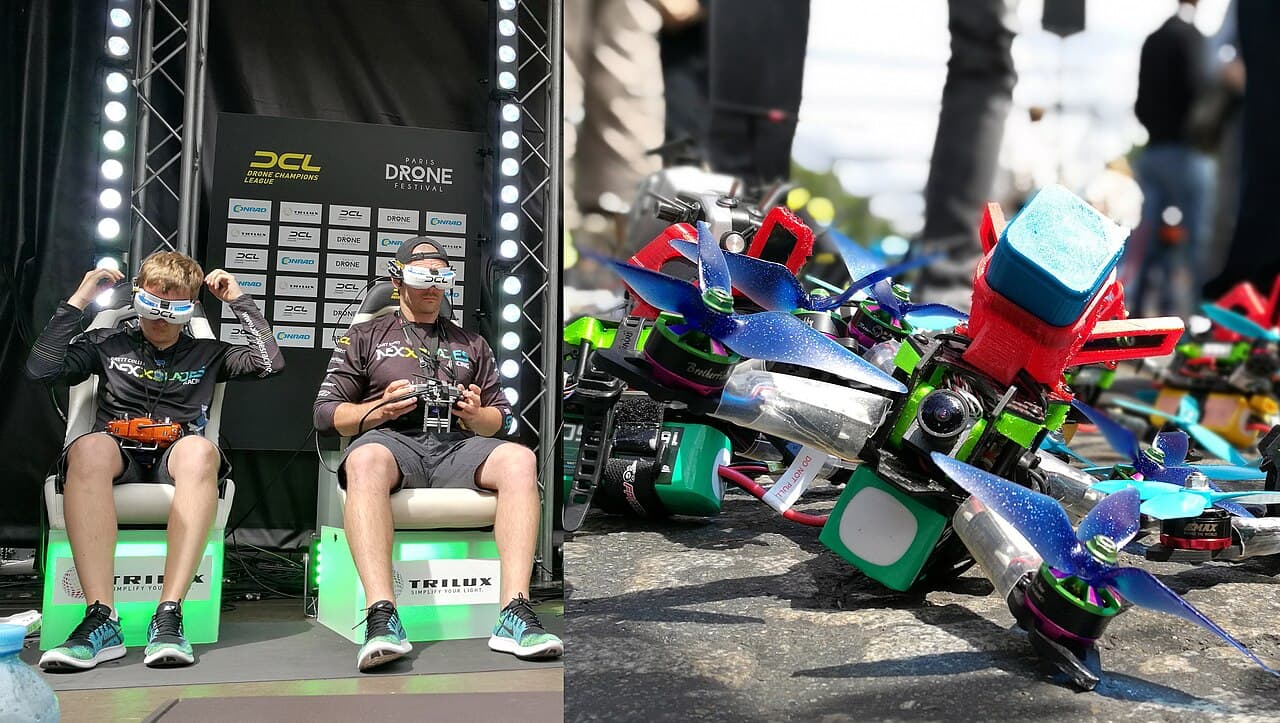
The Rise of FPV Drone Racing in India
From garage hobby to televised sport — how first-person-view racing found a home in Indian cities and college campuses.
 Buying Guide
Choosing Your First Beginner Drone: A Complete Buying Guide
Camera drone, mini whoop, or a ready-to-fly kit? A practical framework for picking a first drone without wasting money on the wrong one.
 Safety
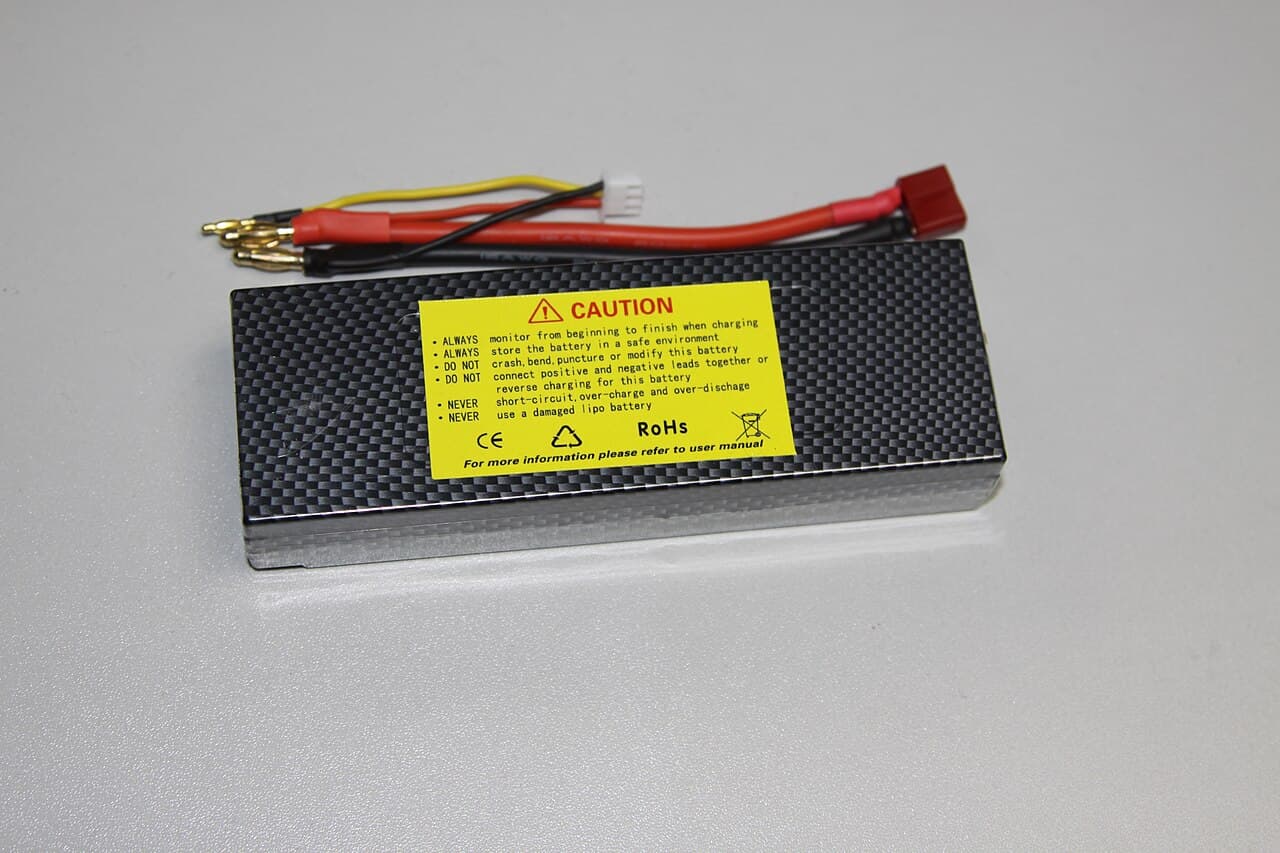
LiPo Battery Care 101: Charging, Storage & Safety Tips
LiPo batteries power almost every serious drone on the market — and mishandled, they are also the single biggest safety risk in the hobby.