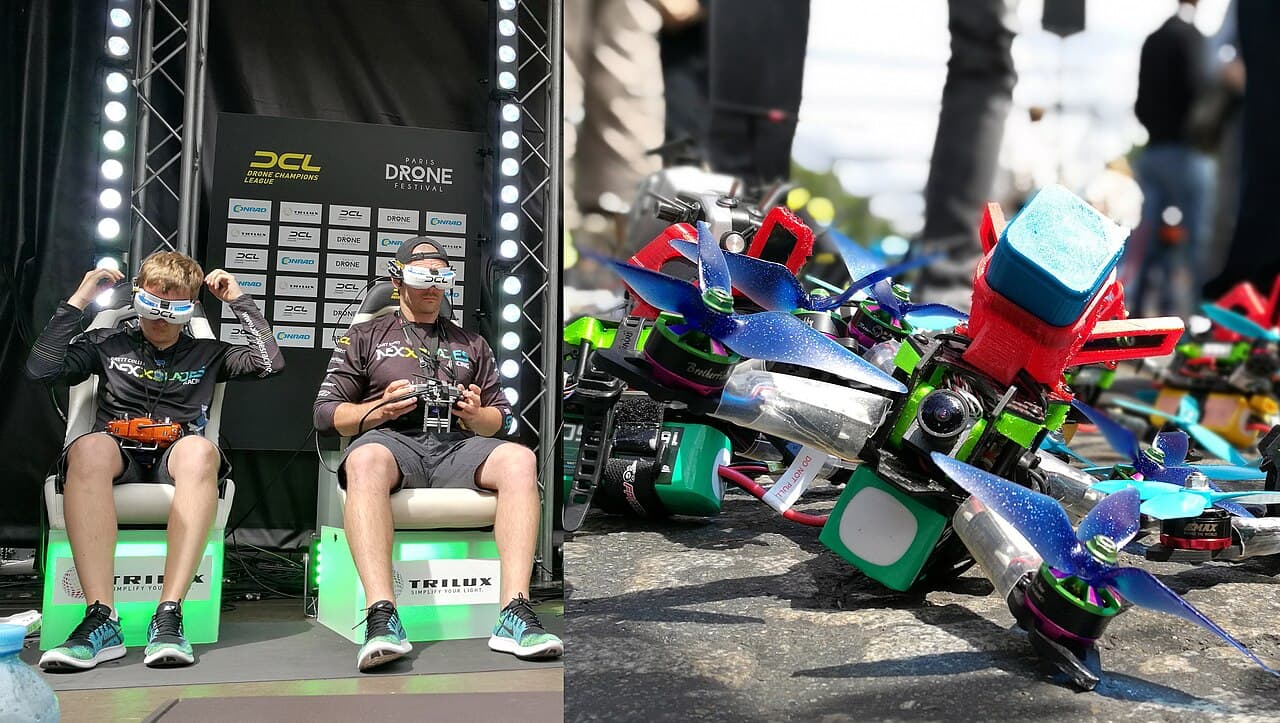
Five years ago, FPV drone racing in India was a fringe hobby practiced by a handful of enthusiasts who imported parts from overseas sellers and taught themselves to solder in their bedrooms. Today, it is one of the fastest-growing tech sports in the country, with dedicated race leagues, college tournaments, and a supply chain of local manufacturers who understand exactly what an Indian pilot needs from a 5-inch quad.
The appeal is simple: strap on a pair of FPV goggles and the world disappears. You are no longer standing in a field watching a toy fly overhead — you are in the cockpit, weaving through gates at seventy kilometres an hour, close enough to the ground that a single bad throttle input ends the run. That immersive, first-person sensation is what separates racing drones from the camera drones most people picture when they hear the word 'drone', and it is why the sport has attracted a very different crowd: gamers, RC car veterans, and engineering students looking for a hands-on outlet for their circuit and aerodynamics knowledge.
College campuses have played an outsized role in this growth. Robotics and aeromodelling clubs discovered that a race-ready quad is dramatically cheaper to build than a fixed-wing UAV project, and far more exciting to demonstrate at a tech fest. A basic 5-inch freestyle frame, a four-in-one ESC, a set of 2306 motors and a modest flight controller can be assembled for a fraction of the cost of a commercial camera drone, which means clubs can field entire teams instead of a single showcase unit. That affordability has quietly turned FPV building into one of the more practical ways for students to learn embedded systems, PID control theory, and RF fundamentals without ever opening a textbook chapter on the subject.
The competitive scene itself has matured alongside the hobby. What used to be informal meet-ups in empty parking lots has evolved into structured league formats with standardised gate layouts, lap timing transponders, and a genuine points table across a season. Spectators who once struggled to follow a drone racing through obstacles too fast for the naked eye now watch races through big screens fed by the pilots' own goggle feeds, turning a solitary hobby into something genuinely watchable. Sponsorship interest has followed, with battery and component brands increasingly willing to back regional events in exchange for visibility among a young, technically engaged audience.
None of this growth has come without friction. Airspace rules, the need for safe flying zones near urban centres, and the sheer learning curve of manual flight all act as natural brakes on how fast the sport can scale. Most pilots still spend their first several months crashing in simulator software before they ever risk a real frame, and building a race-worthy quad still demands a working knowledge of soldering, firmware configuration, and battery safety that not everyone has the patience for. But for the community that sticks with it, FPV racing offers something increasingly rare: a hobby that rewards mechanical skill, quick reflexes, and a genuine understanding of how the machine under your fingers actually works — which is exactly why it continues to pull in new pilots every season.
Written by Parth Pathak
Keep Reading
 Buying Guide
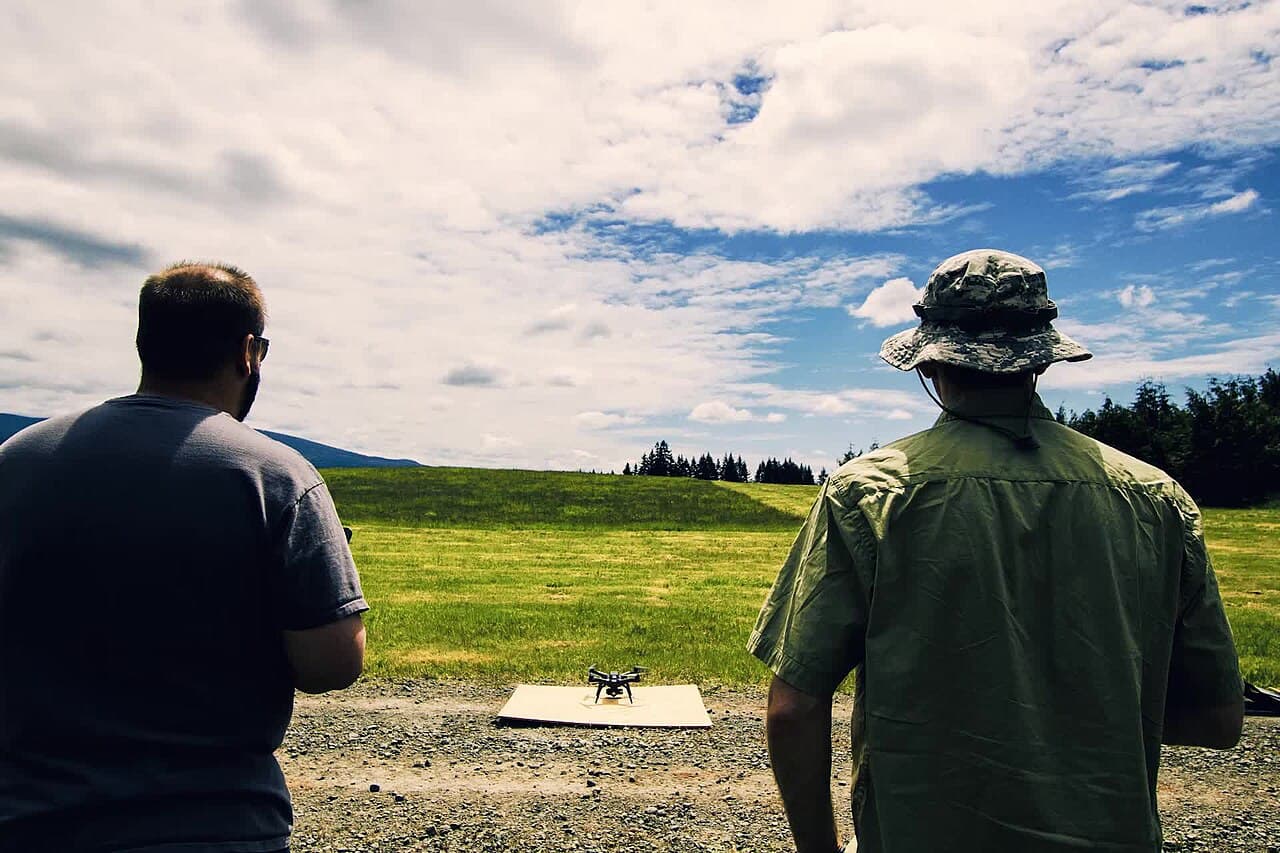
Choosing Your First Beginner Drone: A Complete Buying Guide
Camera drone, mini whoop, or a ready-to-fly kit? A practical framework for picking a first drone without wasting money on the wrong one.
 Tech
TechUnderstanding Flight Controllers: PID Tuning Basics Explained
What a flight controller actually does, and why three letters — P, I, and D — decide whether your drone flies smooth or oscillates itself out of the sky.
 Safety
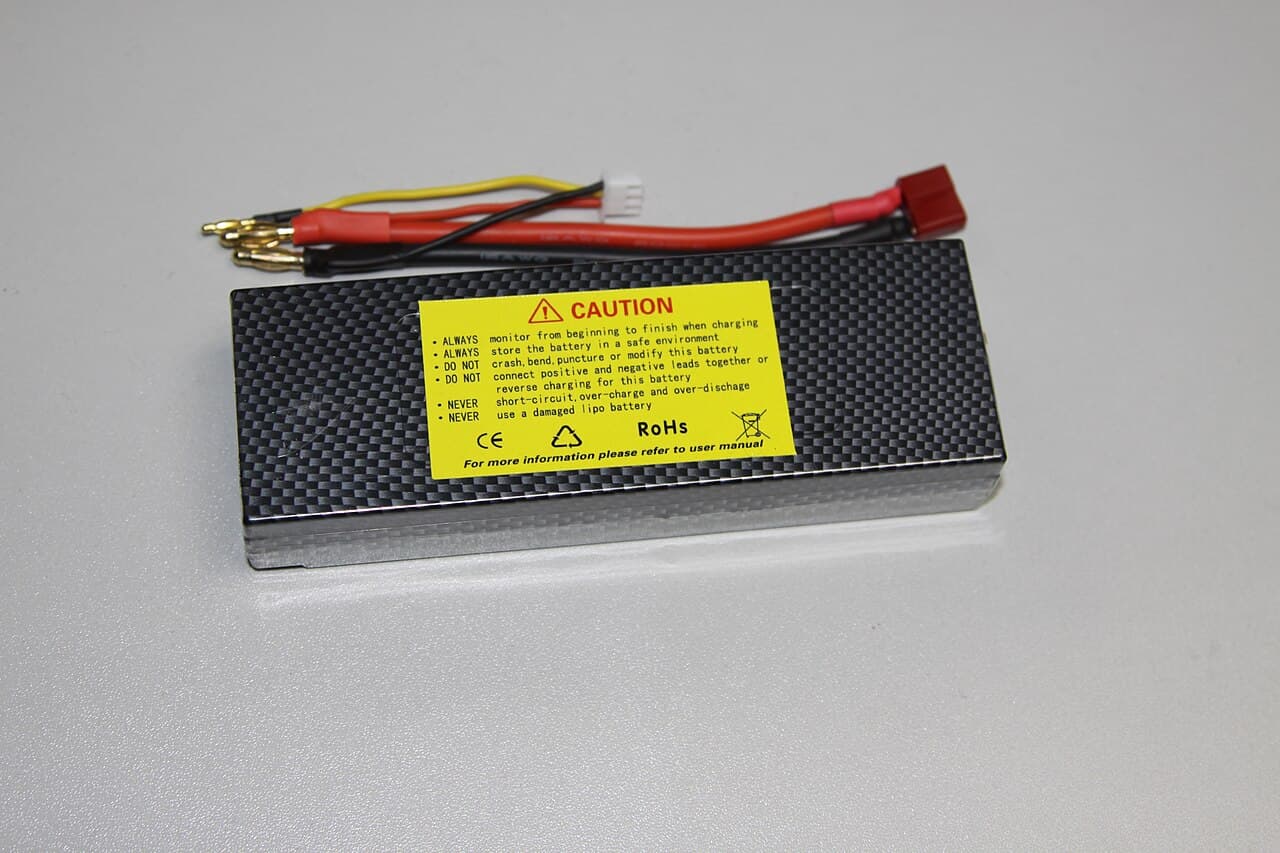
LiPo Battery Care 101: Charging, Storage & Safety Tips
LiPo batteries power almost every serious drone on the market — and mishandled, they are also the single biggest safety risk in the hobby.