Choosing Your First Beginner Drone: A Complete Buying Guide
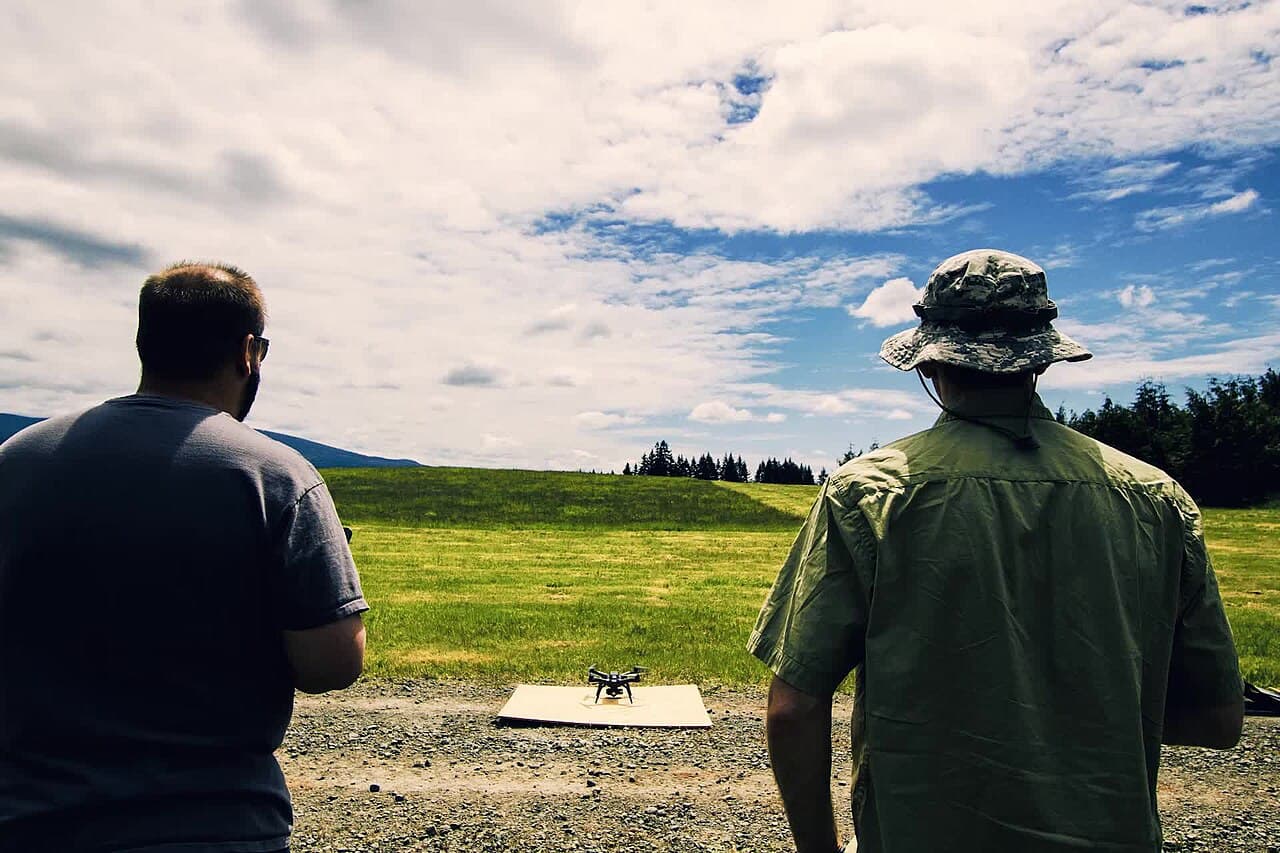
Every beginner asks the same question in a slightly different way: 'which drone should I buy first?' The honest answer depends less on budget and more on what you actually want to do once the propellers start spinning. Someone who wants aerial photos of a family trip has almost nothing in common, purchase-wise, with someone who wants to eventually race gates in a field on a Sunday morning, and buying the wrong category of drone is the single most common reason beginners quit within a month.
Start by separating the market into three broad buckets. The first is the ready-to-fly camera drone — foldable, GPS-stabilised, controlled from a phone or dedicated remote, and designed so that a first-time pilot can take off, hover, and land without touching a trim dial. These are forgiving machines built around automatic stabilisation, and they are the right choice for anyone whose primary goal is photos, video, or simply enjoying flight without a steep learning curve. The second bucket is the micro or mini 'whoop' style drone, a palm-sized quad with prop guards that is nearly indestructible indoors. These are cheap, replaceable, and an excellent way to build raw stick-control muscle memory before committing money to anything larger. The third bucket is the freestyle or racing frame, which trades every beginner-friendly feature for raw performance and requires the pilot to already understand throttle, yaw, pitch and roll well enough to fly on manual rates.
Budget matters, but not in the way most people assume. A beginner who buys a mid-range GPS camera drone and never crashes it will spend less over a year than a beginner who buys a racing frame, crashes it eight times in the first month, and has to replace motors, an ESC, and a full set of propellers each time. If you are not yet sure which category you belong to, the cheapest path to finding out is a micro indoor quad paired with simulator software on a laptop — both together typically cost less than a single spare battery for a serious build, and they will tell you within a few weeks whether you actually enjoy manual flight or would rather let GPS handle the stabilising.
Once the category is settled, a short checklist keeps the actual purchase sane. Flight time matters more than most spec sheets suggest — anything under ten minutes per charge will feel frustratingly short once the novelty wears off. Spare parts availability matters just as much as the drone itself; a stunning frame that uses a proprietary connector nobody stocks locally becomes an expensive paperweight the day something breaks. And for GPS drones specifically, checking the return-to-home reliability and obstacle sensor coverage is worth ten minutes of research, because those are the features that actually prevent a lost drone rather than the ones that look impressive in a marketing video.
Ultimately, the best first drone is the one that matches your actual goal closely enough that you keep flying it past the first two weeks. Buy for the thing you want to do this month, not the thing you imagine you might want to do a year from now — by the time you outgrow a well-chosen beginner drone, you will know exactly what to upgrade to, and that clarity is worth far more than any spec sheet.
Written by Shruti Gupta
Keep Reading
 Racing
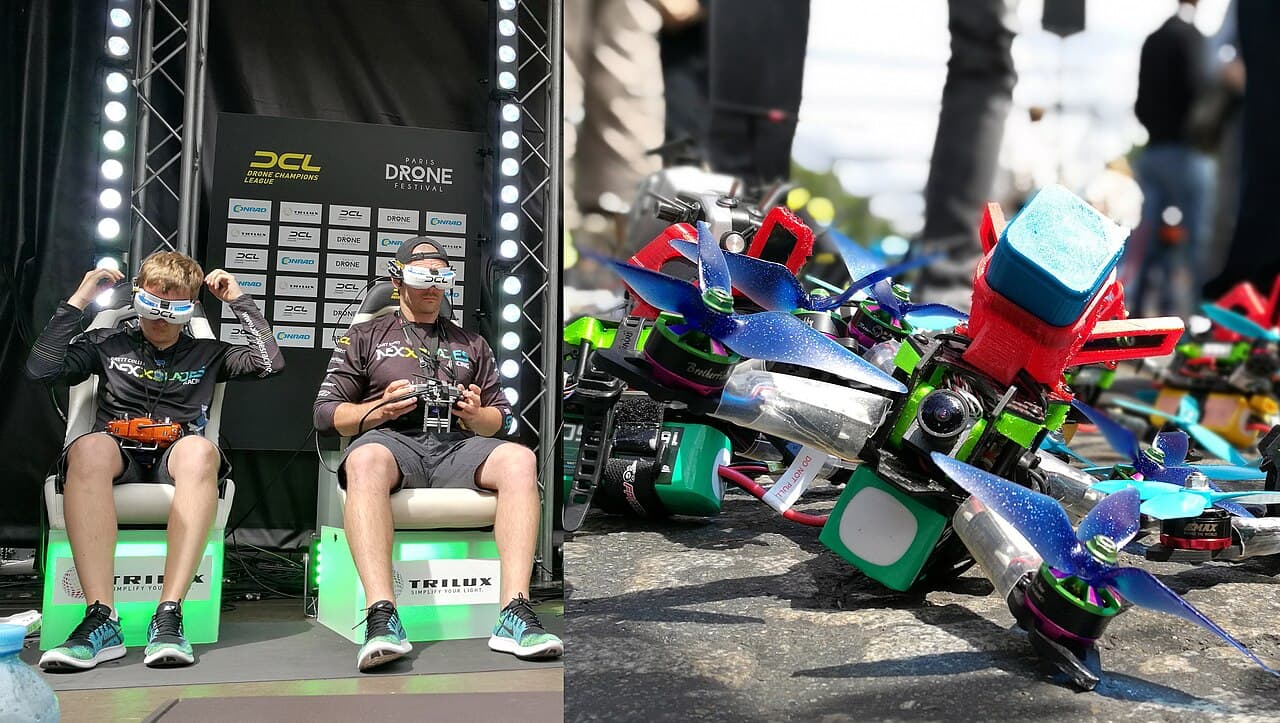
The Rise of FPV Drone Racing in India
From garage hobby to televised sport — how first-person-view racing found a home in Indian cities and college campuses.
 Tech
TechUnderstanding Flight Controllers: PID Tuning Basics Explained
What a flight controller actually does, and why three letters — P, I, and D — decide whether your drone flies smooth or oscillates itself out of the sky.
 Safety
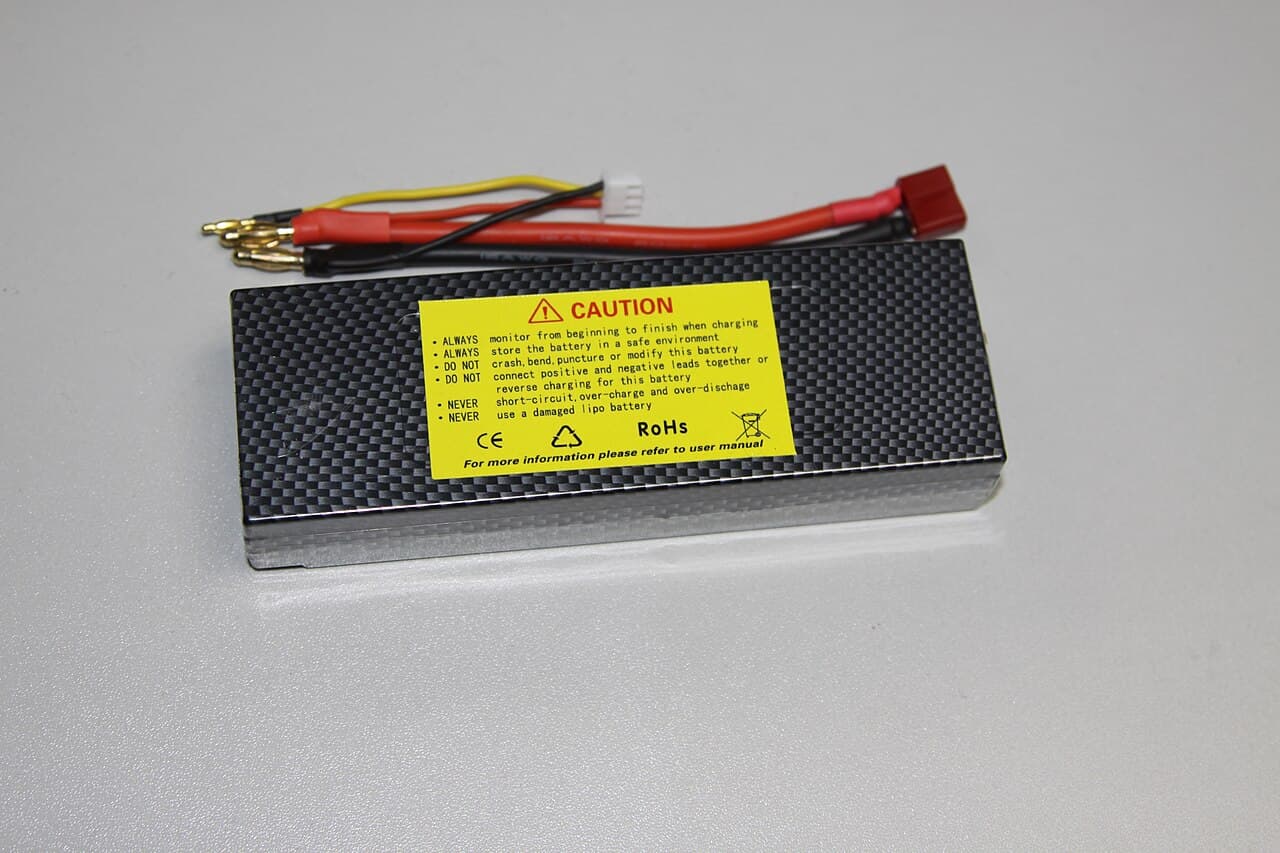
LiPo Battery Care 101: Charging, Storage & Safety Tips
LiPo batteries power almost every serious drone on the market — and mishandled, they are also the single biggest safety risk in the hobby.