LiPo Battery Care 101: Charging, Storage & Safety Tips
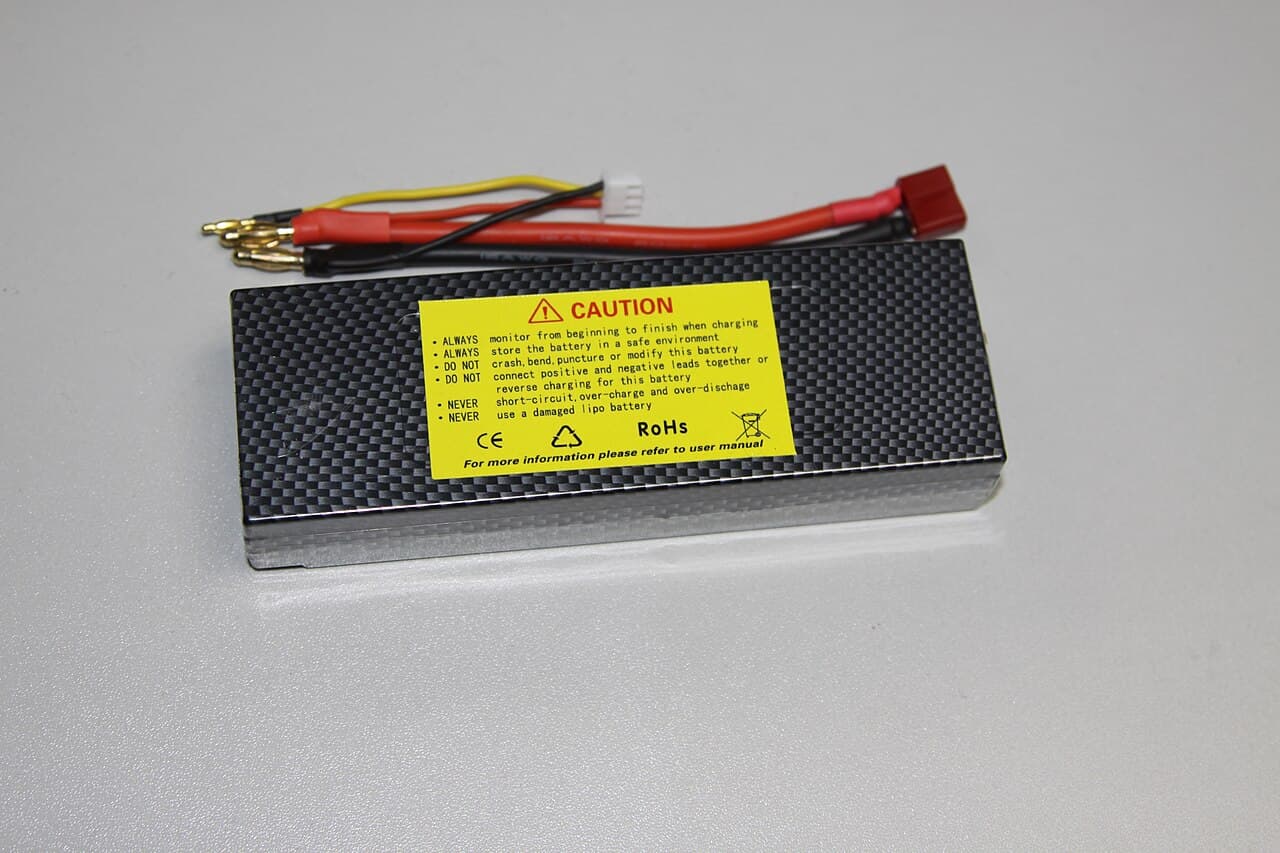
Lithium polymer batteries are the reason modern drones can be as light and powerful as they are, packing a huge amount of energy into a small, flexible pouch cell. That same energy density is precisely why LiPo batteries demand more respect than the alkaline cells most people grew up handling. A damaged or mishandled LiPo doesn't just stop working — it can swell, vent, or in worst cases ignite, and understanding a few basic rules is non-negotiable for anyone who owns one, not just for competitive pilots.
Charging is where most safety habits either form or fail to form. Always use a charger specifically designed for LiPo chemistry, set to the correct cell count and charge rate, and never leave a battery charging unattended on a flammable surface — a small fireproof LiPo bag or a dedicated charging sack costs very little and removes most of the realistic risk. Charge rate matters more than beginners expect: charging at a higher C-rate than the battery is rated for generates excess heat inside the cells, and heat is the single biggest accelerant of long-term battery degradation. A steady 1C charge rate is the safe default for extending a battery's usable lifespan, even though faster chargers exist.
Storage voltage is the most commonly ignored rule, and arguably the most damaging one to skip. A LiPo left at full charge for weeks between flying sessions degrades noticeably faster than one stored at around fifty percent capacity, often called 'storage voltage' on smart chargers. If a battery is going to sit unused for more than a few days, discharging it to storage level first is a five-minute task that can add months of usable life to an otherwise expensive component. Batteries left fully depleted are just as much of a problem — running a LiPo below its minimum safe cell voltage during flight, even once, can cause permanent internal damage that shows up later as swelling or a sudden drop in performance.
Physical damage is the other major risk factor, and it is often invisible until it isn't. A battery that has been dropped, punctured, bent sharply, or crushed in a crash should be treated as compromised even if it still appears to hold a charge — internal short circuits caused by damaged separator layers between cells don't always announce themselves immediately. Any battery that develops a puffy, swollen shape should be retired and disposed of properly rather than charged again; swelling is a sign that gas is building up inside the cell from a chemical breakdown that will not reverse itself.
None of this is meant to make LiPo batteries sound more dangerous than they are in practice — thousands of pilots fly every week without incident, precisely because these habits become second nature quickly. Charge in a fireproof bag, store at storage voltage between sessions, retire anything that's been crashed hard or looks swollen, and match your charger settings to the battery's actual specification. Treat the battery with the same casual discipline you'd apply to checking tyre pressure on a bike, and it stops being a source of anxiety and becomes just another routine part of flying.
Written by Harshit Raj
Keep Reading
 Racing
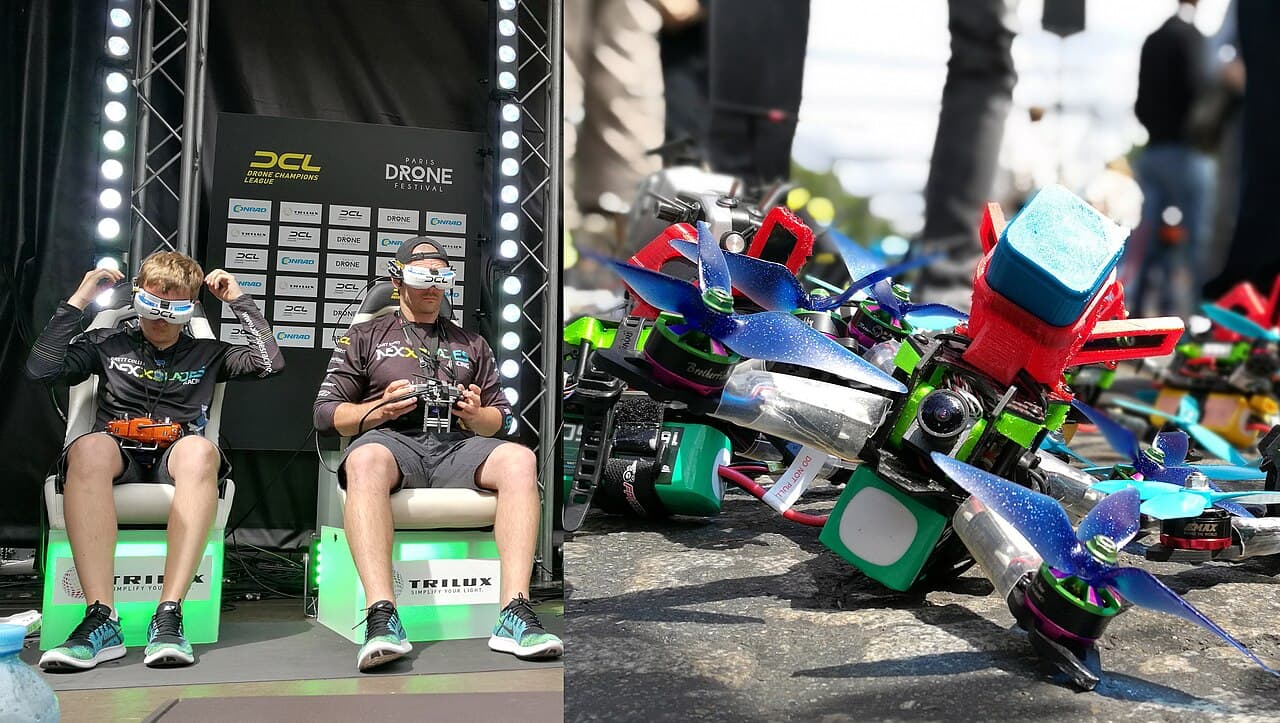
The Rise of FPV Drone Racing in India
From garage hobby to televised sport — how first-person-view racing found a home in Indian cities and college campuses.
 Buying Guide
Choosing Your First Beginner Drone: A Complete Buying Guide
Camera drone, mini whoop, or a ready-to-fly kit? A practical framework for picking a first drone without wasting money on the wrong one.
 Tech
TechUnderstanding Flight Controllers: PID Tuning Basics Explained
What a flight controller actually does, and why three letters — P, I, and D — decide whether your drone flies smooth or oscillates itself out of the sky.