The Future of Delivery Drones: Promise and Challenges
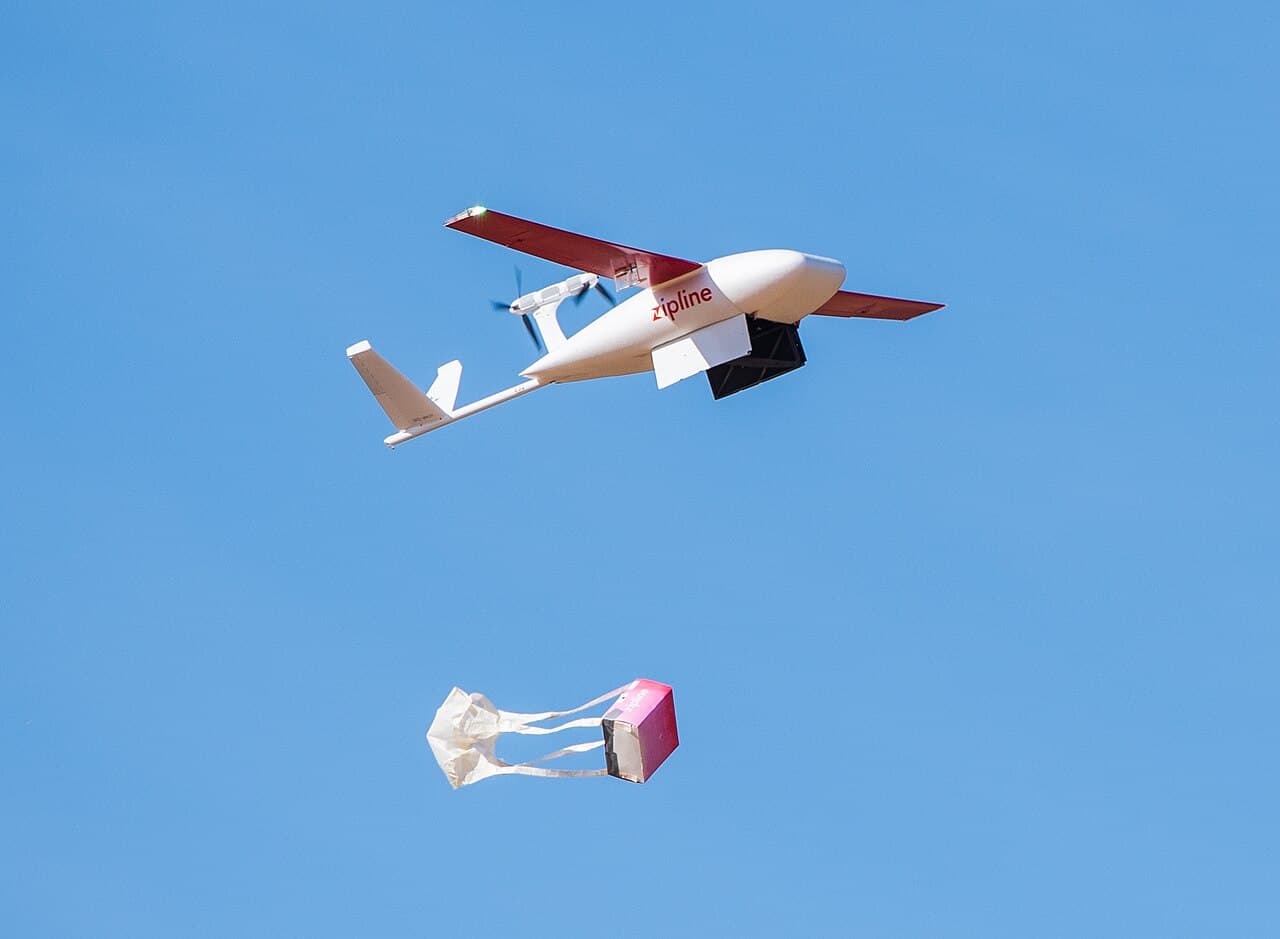
Delivery drones have been 'five years away' for the better part of a decade, and that gap between demo footage and everyday reality says less about the technology being immature and more about how many non-technical problems have to be solved before a drone can reliably drop a parcel on a stranger's doorstep. The core flight technology — autonomous navigation, obstacle avoidance, precision landing — has genuinely matured to the point where it is no longer the limiting factor. What remains are logistics, regulatory, and economic problems that are considerably harder to solve than getting a drone from point A to point B.
The logistics challenge is the least discussed but arguably the most difficult. A delivery drone has a strictly limited payload and range, which means the fulfilment network underneath it has to look completely different from a traditional warehouse-to-truck model. Instead of a handful of regional distribution centres, drone delivery economically demands a dense mesh of small, local launch points close enough to customers that each flight stays short — closer in spirit to a network of micro-fulfilment hubs than a conventional logistics chain. Building that density is a significant real-estate and operations problem long before it's a flying-robot problem.
Airspace management is the second major hurdle, and it scales in difficulty exponentially rather than linearly. A single demonstration flight in open airspace is straightforward; hundreds of drones operating simultaneously over a dense urban area, sharing airspace with other aircraft, avoiding each other, and adapting to sudden weather changes is an entirely different engineering and regulatory problem, generally referred to as unmanned traffic management. Most aviation authorities globally are still in the process of building out the rules and digital infrastructure needed to manage that kind of high-density autonomous airspace safely, and that regulatory groundwork is arguably the true bottleneck holding back wide-scale delivery drone rollout more than any hardware limitation.
Economics is the quieter constraint but the one that ultimately decides whether delivery drones become a mainstream norm or stay a niche premium service. Drone delivery makes clear economic sense for specific categories — urgent medical supplies to hard-to-reach areas, for instance, where speed genuinely outweighs cost — but for routine retail parcels, the comparison against an already highly optimised ground delivery network is far less favourable once battery limitations, payload caps, weather downtime, and per-flight regulatory overhead are all factored in. The categories where drone delivery wins clearly today tend to be the ones where traditional delivery is unusually slow, expensive, or difficult, rather than routine everyday shopping.
None of this means delivery drones are a dead end — quite the opposite. Medical logistics, rural delivery in areas with poor road infrastructure, and time-critical urgent parcels are all growing steadily as real, functioning services rather than pilot programs, and each success in those categories builds the regulatory precedent and public comfort needed for broader rollout later. The realistic path forward looks less like a sudden switch to sky-based delivery for everything, and more like a gradual expansion outward from the specific use cases where drones already win decisively today, one proven category at a time.
Written by Shivani Singh
Keep Reading
 Racing
The Rise of FPV Drone Racing in India
From garage hobby to televised sport — how first-person-view racing found a home in Indian cities and college campuses.
 Buying Guide
Choosing Your First Beginner Drone: A Complete Buying Guide
Camera drone, mini whoop, or a ready-to-fly kit? A practical framework for picking a first drone without wasting money on the wrong one.
 Tech
TechUnderstanding Flight Controllers: PID Tuning Basics Explained
What a flight controller actually does, and why three letters — P, I, and D — decide whether your drone flies smooth or oscillates itself out of the sky.