Drone Laws in India: A Simple Guide to DGCA Regulations
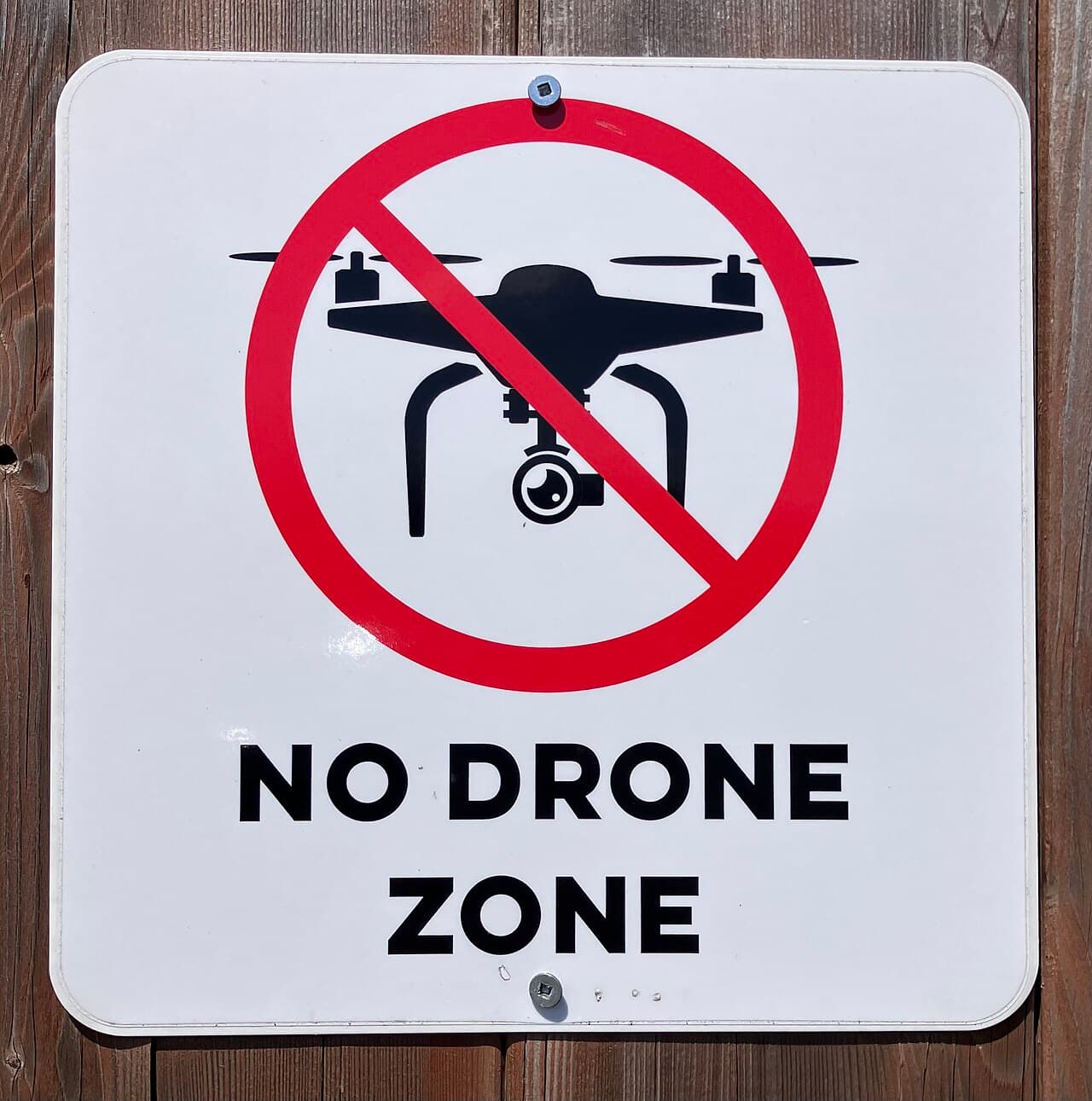
India's drone regulatory framework has changed dramatically over the past several years, moving from a near-total ban on civilian drone use to one of the more structured liberalised regimes in the world, built around the idea of digital sky mapping rather than blanket restriction. For anyone buying their first drone, the rules can look intimidating at first glance, but the underlying logic is actually fairly simple once it's broken down into its core pieces: what you're flying, where you're flying it, and whether you're flying for fun or for business.
The first thing every owner needs to understand is the airspace zone map. India's airspace is divided into red, yellow, and green zones, published and updated through the government's digital sky platform. Green zones are largely unrestricted for normal recreational and commercial flight up to a set altitude. Yellow zones sit near airports, international borders, and other sensitive infrastructure, and require prior permission before takeoff. Red zones are effectively no-fly areas for civilian drones without special authorisation. Before flying anywhere new, checking which zone you're standing in takes less time than pairing a controller, and it is the single most important habit for staying compliant.
Weight class is the second major factor, because it determines how much paperwork actually applies to a given drone. Nano drones, broadly those under 250 grams, are exempt from most registration requirements and can typically be flown recreationally in green zones without a remote pilot certificate. Anything heavier — micro, small, medium, and large categories — generally requires the drone itself to be registered on the digital sky platform and issued a unique identification number, similar in spirit to a vehicle registration plate. This is why so many beginner-friendly camera drones on the market today are deliberately engineered to sit just under the 250-gram threshold — it removes an entire layer of paperwork for casual buyers.
For anyone flying heavier drones, or flying commercially regardless of weight, a Remote Pilot Certificate becomes necessary, obtained after training through a DGCA-authorised remote pilot training organisation. This isn't dissimilar in concept to a driving licence — it certifies that the pilot understands airspace rules, safety procedures, and basic operating limits before being trusted with a heavier or commercially operated aircraft. Commercial operators additionally need to register as a drone operator and, depending on the use case, may need additional permissions for specific operations like flying over crowds or at night.
The practical takeaway for a student or hobbyist buying their first drone is refreshingly simple: check the weight class before buying if avoiding paperwork matters to you, always check the zone map before flying anywhere unfamiliar, and treat 'no permission, no takeoff' as the operating principle in anything other than a clearly green zone. Regulations will keep evolving as the drone ecosystem in India matures, but the zone-and-weight framework is likely to remain the backbone of how airspace access is managed for years to come, so understanding it now pays off well beyond a single purchase decision.
Written by Parth Pathak
Keep Reading
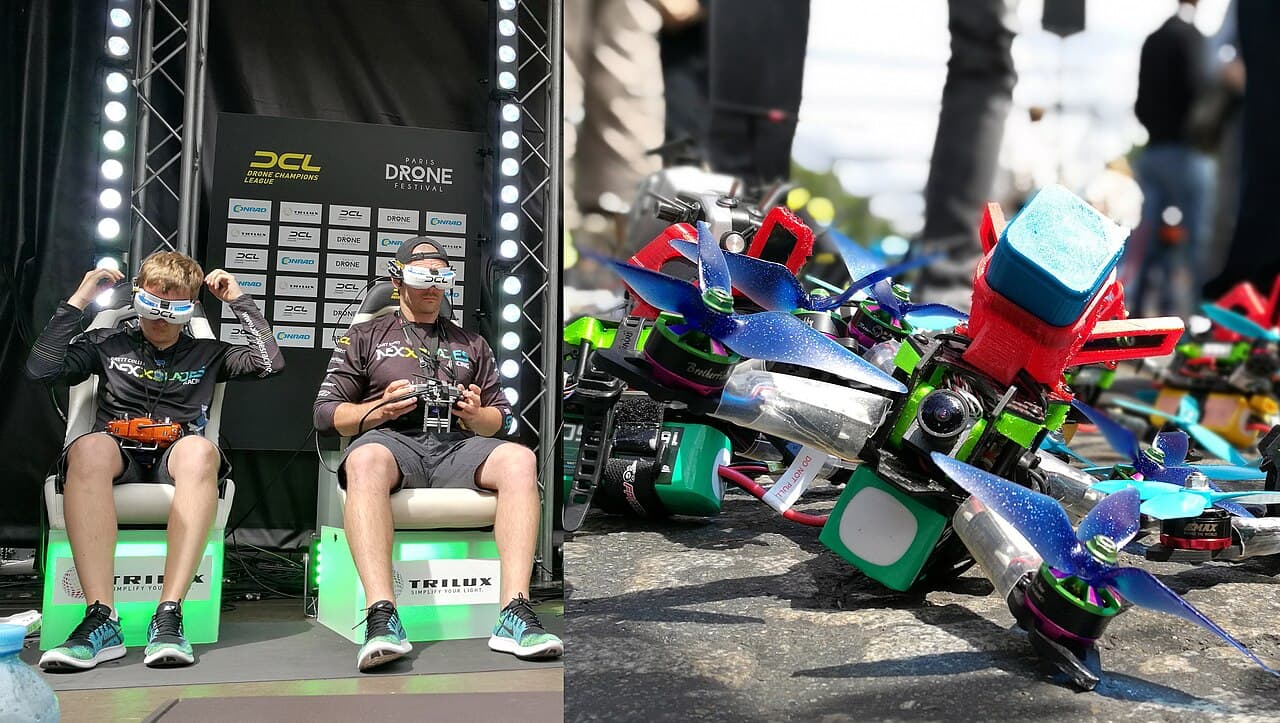 Racing
The Rise of FPV Drone Racing in India
From garage hobby to televised sport — how first-person-view racing found a home in Indian cities and college campuses.
 Buying Guide
Choosing Your First Beginner Drone: A Complete Buying Guide
Camera drone, mini whoop, or a ready-to-fly kit? A practical framework for picking a first drone without wasting money on the wrong one.
 Tech
TechUnderstanding Flight Controllers: PID Tuning Basics Explained
What a flight controller actually does, and why three letters — P, I, and D — decide whether your drone flies smooth or oscillates itself out of the sky.