Off-the-Shelf vs Custom Built: Which Drone Should You Buy?
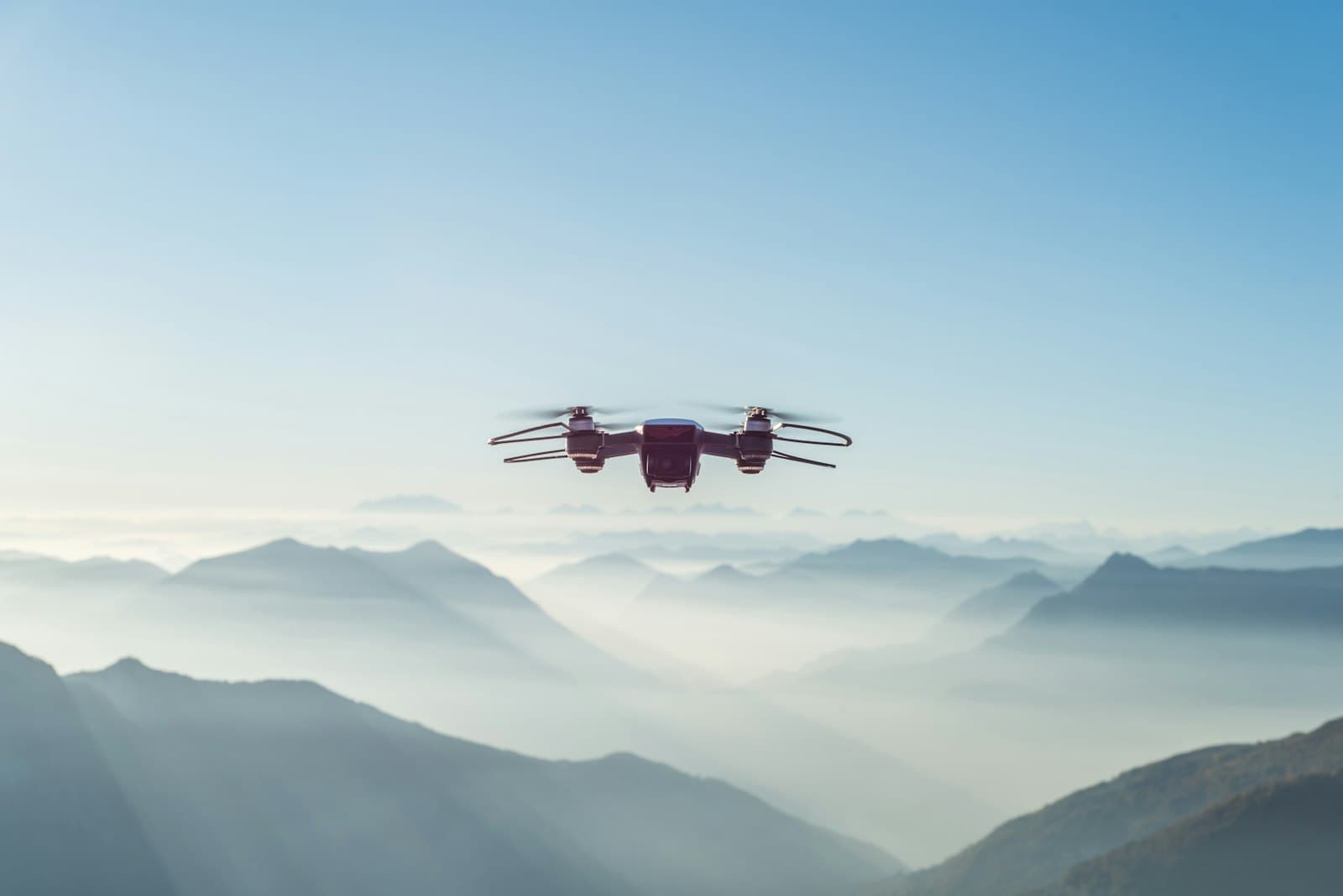
The debate between buying a ready-to-fly drone and assembling a custom build from individual parts comes up in almost every hobbyist forum, and it tends to generate more heat than the actual decision deserves, because both approaches are genuinely correct for different people with different goals. Framing it as one being objectively better than the other misses the point — the real question is what you actually want out of owning a drone in the first place, and being honest about that answer makes the rest of the decision straightforward.
A ready-to-fly, off-the-shelf drone wins decisively on convenience and reliability. Everything has already been engineered to work together — the frame, motors, flight controller firmware, and camera have all been tested as a complete system by people whose full-time job is making sure that system works well, and the result is a drone that flies predictably out of the box with none of the calibration or configuration a custom build demands. For anyone whose primary goal is using the drone as a tool — capturing photos, filming an event, inspecting a property — rather than as a hobby in its own right, this reliability is worth paying a premium for, because the value is in the footage or data captured, not in the process of building the aircraft that captured it.
A custom build wins on a completely different axis: understanding, flexibility, and long-term cost efficiency for anyone who plans to stay in the hobby seriously. Every component in a custom build is individually replaceable and upgradeable, which means a crash that would total a ready-to-fly drone's integrated flight camera or motor often means replacing a single forty-rupee part on a custom frame instead. More importantly, building a drone from parts forces genuine understanding of how flight controllers, ESCs, motors, and firmware actually interact — knowledge that pays off repeatedly in troubleshooting, tuning, and eventually building increasingly capable machines, in a way that simply isn't available to someone who has only ever flown a sealed, integrated product.
Cost comparisons between the two paths are trickier than they first appear, and depend heavily on how the drone is actually used. A ready-to-fly drone has a clear, fixed upfront cost and, for a careful pilot who rarely crashes, that cost stays roughly fixed over the drone's lifetime. A custom build often has a lower initial cost for an equivalent capability level, but that advantage can evaporate quickly for a pilot who crashes frequently while learning, since sourcing individual replacement parts, while cheaper per component, adds up in both cost and the time spent waiting for and installing them. Custom builds genuinely reward patience and mechanical aptitude; they genuinely punish impatience.
For a student or first-time buyer without a strong prior opinion, the pragmatic answer is usually to match the choice to the actual goal rather than to the reputation of either path. Buying photos, video, or reliable general-purpose flight — go ready-to-fly. Wanting to genuinely learn how drones work, planning to eventually race or freestyle fly, or simply enjoying tinkering with hardware as much as flying it — a custom build, even a modest first one, will teach far more and open the door to a much deeper version of the hobby. Both paths lead to the same sky; they just take genuinely different routes to get there.
Written by Shivani Singh
Keep Reading
 Racing
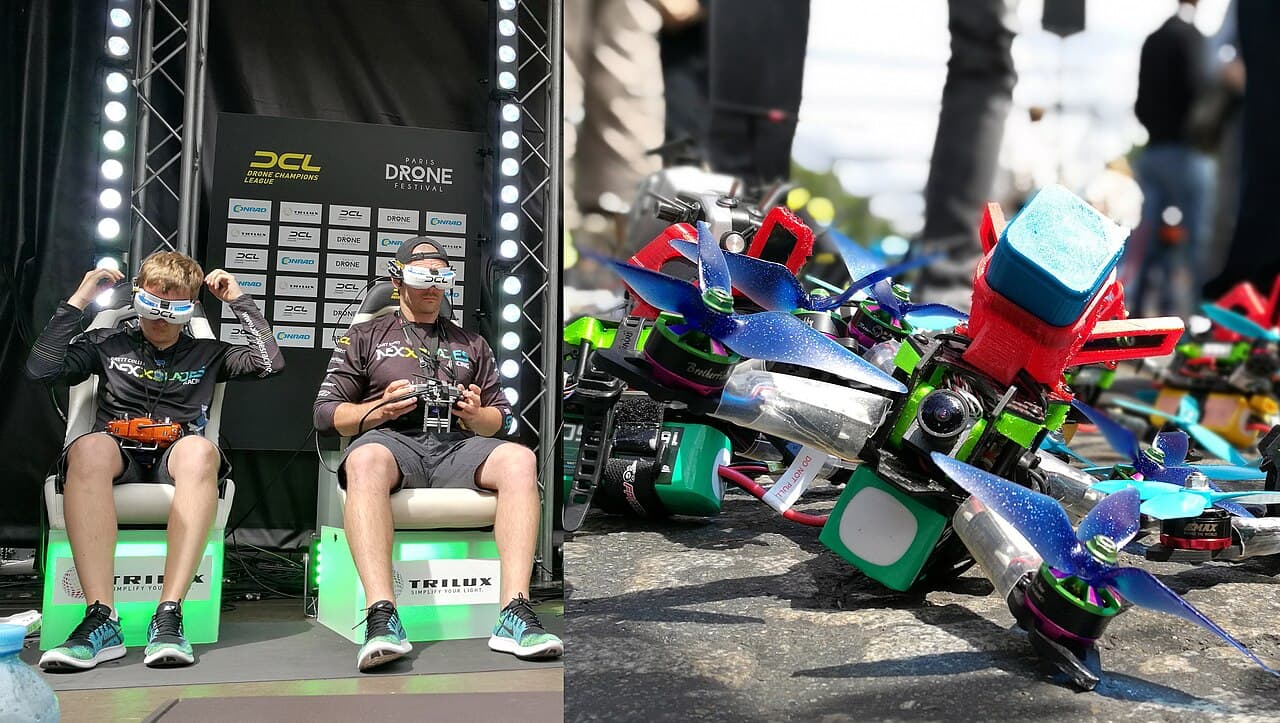
The Rise of FPV Drone Racing in India
From garage hobby to televised sport — how first-person-view racing found a home in Indian cities and college campuses.
 Buying Guide
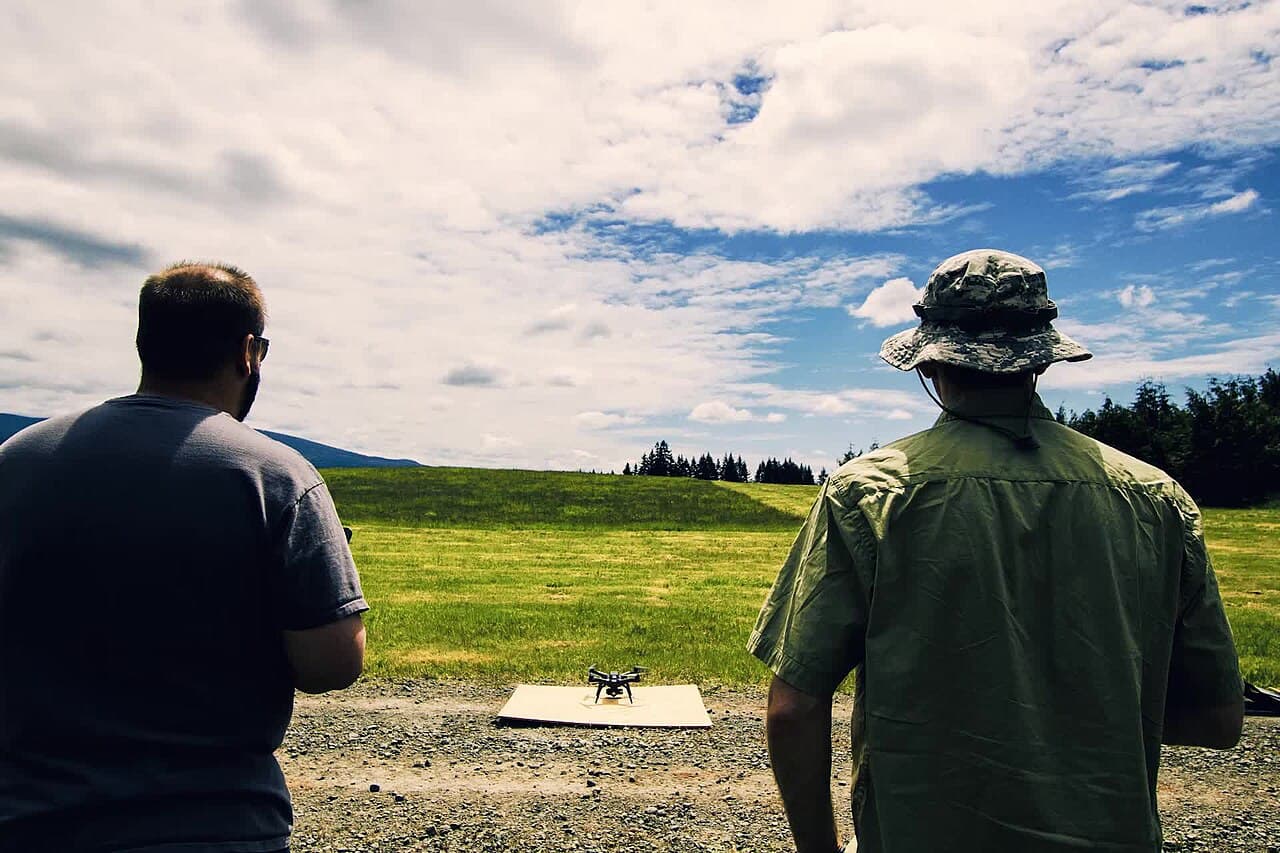
Choosing Your First Beginner Drone: A Complete Buying Guide
Camera drone, mini whoop, or a ready-to-fly kit? A practical framework for picking a first drone without wasting money on the wrong one.
 Tech
TechUnderstanding Flight Controllers: PID Tuning Basics Explained
What a flight controller actually does, and why three letters — P, I, and D — decide whether your drone flies smooth or oscillates itself out of the sky.