A Seasonal Drone Maintenance Checklist Every Pilot Needs
Most drone failures that pilots chalk up to bad luck are, on closer inspection, the slow result of a small maintenance habit that got skipped one too many times. Unlike a car, a drone doesn't give many warning signs before something fails outright — a loose motor screw or a hairline crack in a propeller can look completely fine right up until the moment it isn't, which is exactly why a short, consistent maintenance routine matters more in this hobby than in most others.
Propellers deserve the first look before every single flight, not just on a seasonal basis. Run a finger along each blade edge feeling for nicks, and hold each one up to the light checking for hairline cracks near the mounting hole, which is the single most common place propellers fail structurally after repeated hard landings. A propeller doesn't need to look dramatically broken to be dangerous — a small stress crack that seems cosmetic today can propagate under the vibration and centrifugal load of flight and fail completely mid-air, so the standing rule among experienced pilots is simple: any doubt, replace it, since propellers are the cheapest component on the entire aircraft.
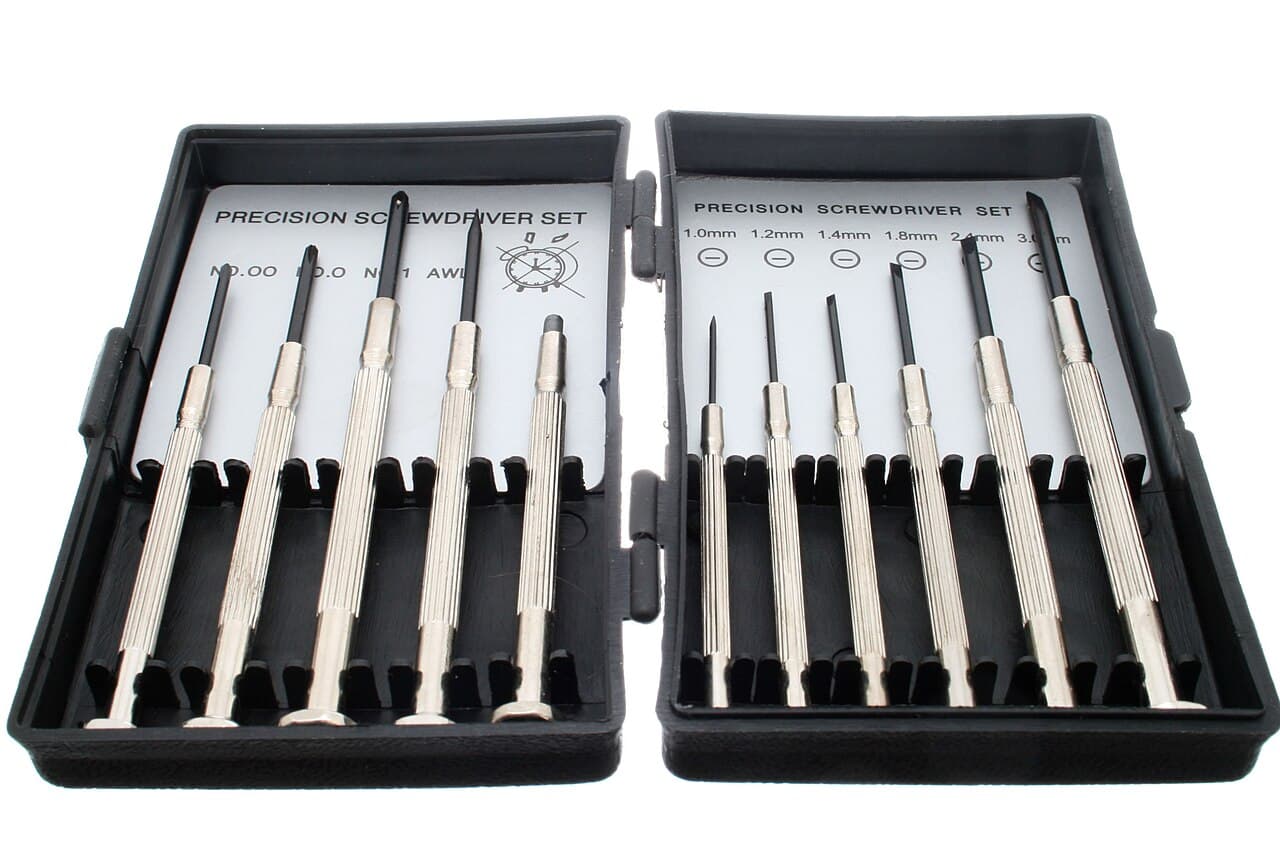
Motors and frame screws need a periodic check with an actual screwdriver, not just a visual glance, because vibration loosens fasteners gradually over dozens of flights in a way that's genuinely hard to notice by eye. A motor with a slightly loose mounting screw will still spin and fly normally for a while, right up until the play becomes bad enough to cause a wobble that looks exactly like a bent shaft or bad bearing, sending pilots chasing the wrong diagnosis. A monthly pass with a screwdriver across every motor mount and arm screw takes only a few minutes and catches this class of problem long before it becomes a mid-flight failure.
Bearings and motor bells are worth a specific check of their own — spin each motor by hand with the props off and feel for grittiness or noticeable resistance, which usually signals dirt or moisture has gotten into the bearing. Since motors sit closest to the ground on most frames and are the parts most exposed to dust and grass debris, they accumulate wear faster than almost anything else on the aircraft, and a motor that's starting to feel gritty is worth cleaning or replacing before it seizes mid-flight rather than after. Wiring and solder joints deserve an occasional visual pass too, checking for any wire that's rubbing against a frame edge or a joint that looks like it's developed a hairline crack from repeated flex.
None of this maintenance routine takes more than fifteen or twenty minutes even done thoroughly, and it is consistently the difference between pilots who fly the same frame reliably for a year or more and pilots who chase mysterious, hard-to-diagnose problems every few flights. Building it into a genuine habit — props before every flight, screws and motors on a rough monthly schedule, a full inspection after any hard crash — turns maintenance from a chore into simply part of how flying works, the same way checking mirrors becomes automatic for an experienced driver.
Written by Parth Pathak
Keep Reading
 Racing
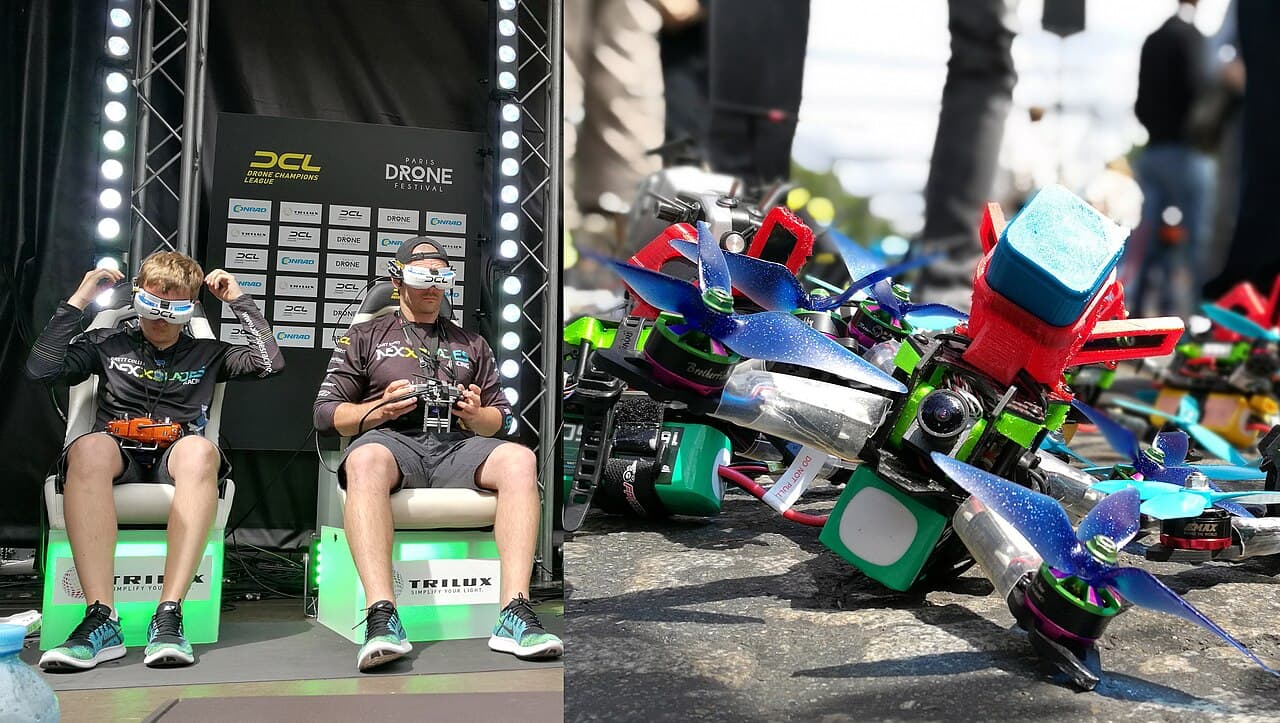
The Rise of FPV Drone Racing in India
From garage hobby to televised sport — how first-person-view racing found a home in Indian cities and college campuses.
 Buying Guide
Choosing Your First Beginner Drone: A Complete Buying Guide
Camera drone, mini whoop, or a ready-to-fly kit? A practical framework for picking a first drone without wasting money on the wrong one.
 Tech
TechUnderstanding Flight Controllers: PID Tuning Basics Explained
What a flight controller actually does, and why three letters — P, I, and D — decide whether your drone flies smooth or oscillates itself out of the sky.