GPS vs Non-GPS Drones: What's the Difference?
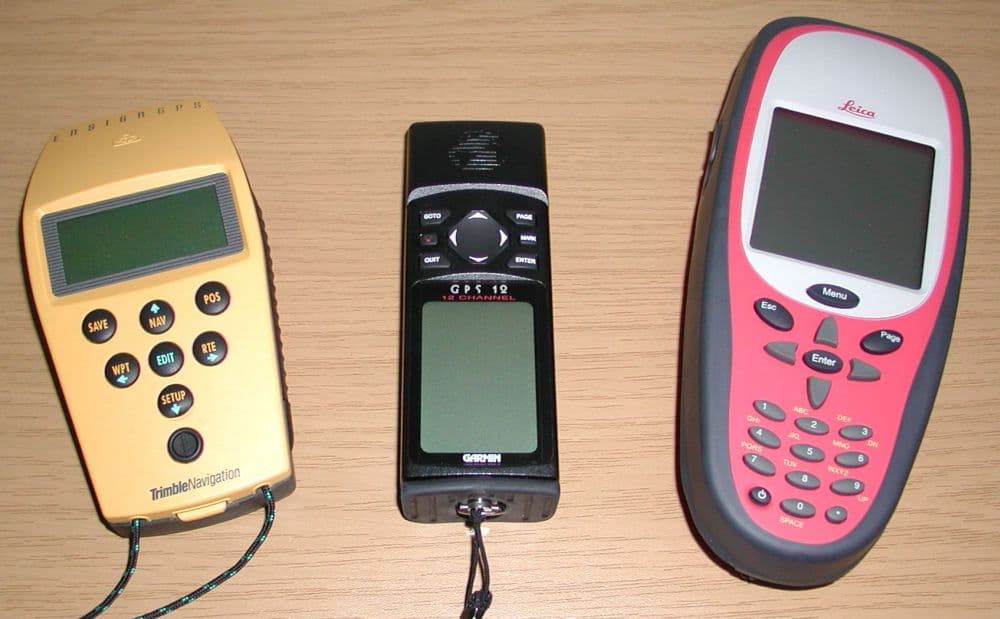
The single biggest practical difference between drone categories isn't camera quality or top speed — it's whether or not the aircraft has GPS, because that one feature fundamentally changes how the drone behaves and how much skill it demands from the person flying it. A GPS-equipped drone constantly knows its exact position in three-dimensional space and uses that knowledge to actively hold position, correct for wind drift, and — critically — fly itself home automatically if signal is lost or the pilot panics. A non-GPS drone has no such safety net; it flies purely based on the pilot's stick inputs and onboard gyroscope stabilisation, with nothing correcting for wind or holding a position on its own.
This is why nearly every consumer camera drone on the market ships with GPS as standard, and why it should be considered close to mandatory for anyone whose primary interest is photography or casual flying rather than a specific manual-flight hobby. GPS mode transforms flying from an active balancing task into something closer to steering — let go of the sticks entirely and the drone simply hovers in place, holding altitude and position even in a light breeze. Combined with a return-to-home function that automatically flies the drone back to its takeoff point at a safe altitude if the connection drops or the battery runs critically low, GPS removes most of the catastrophic failure modes that make new pilots anxious about losing an expensive drone entirely.
Racing and freestyle drones, by contrast, deliberately go without GPS, and this isn't a cost-cutting decision — it's a genuine performance trade-off. GPS positioning logic actively resists rapid, aggressive movement because its whole purpose is to hold a stable position, which makes it fundamentally incompatible with the sharp, instant direction changes freestyle and racing flying demands. A racing pilot needs the drone to respond to a stick input immediately and predictably, with zero self-correcting behaviour fighting against a deliberate flip, roll, or dive — which is exactly the flying style GPS assistance is designed to prevent.
This split shows up clearly in flight modes even on drones sophisticated enough to offer both. Most advanced flight controllers let a pilot toggle between a GPS-assisted mode for stable, easy flying and a fully manual 'acro' mode for aggressive freestyle manoeuvres, essentially giving one aircraft two very different personalities depending on what the pilot needs at that moment. Beginners are strongly advised to spend considerable time in GPS or stabilised modes before ever attempting acro mode, since the jump from assisted flight to fully manual control is a much bigger leap in required skill than the mode-switch button suggests.
The practical guidance is straightforward: if the goal is photography, casual flying, or general reliability with minimal risk of losing the aircraft, GPS is close to essential and worth prioritising over almost any other spec. If the goal is competitive racing or expressive freestyle flying, GPS becomes actively counterproductive, and the time is better spent building genuine manual flying skill in a simulator or on an inexpensive non-GPS micro drone instead. Neither category is objectively better — they're simply built for entirely different kinds of flying, and choosing correctly between them matters far more than most other specs on the box.
Written by Shruti Gupta
Keep Reading
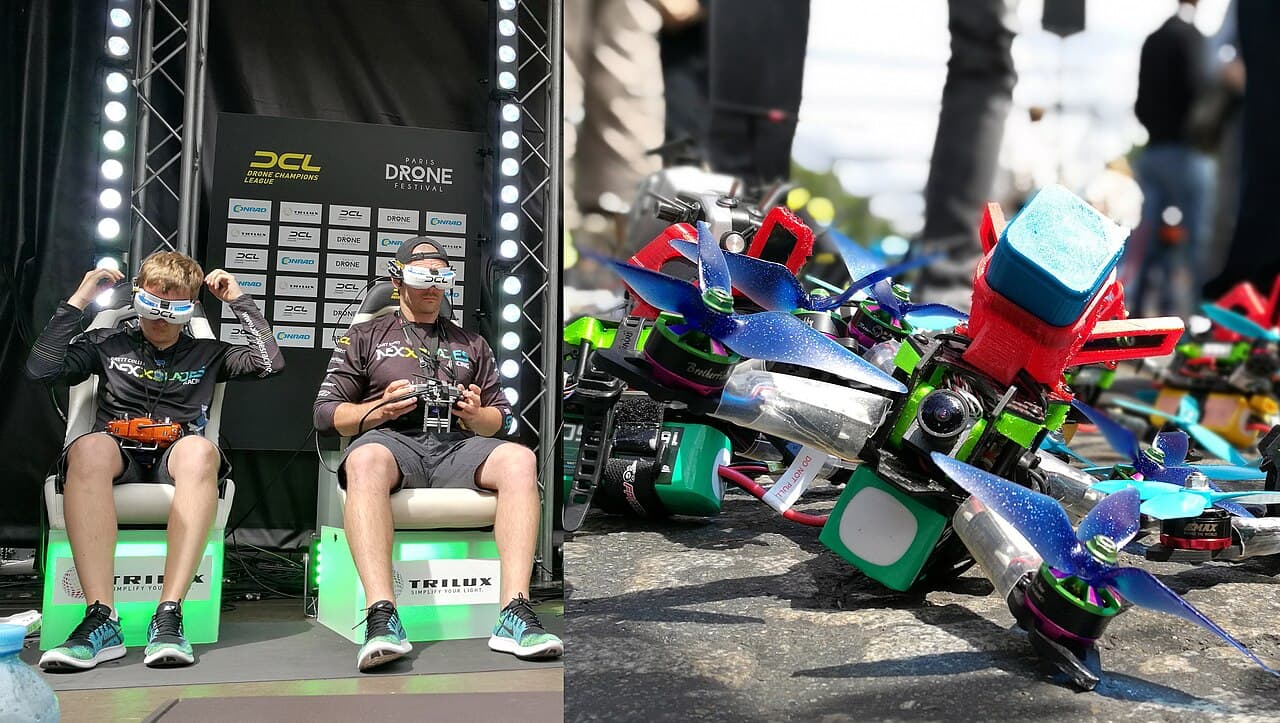 Racing
The Rise of FPV Drone Racing in India
From garage hobby to televised sport — how first-person-view racing found a home in Indian cities and college campuses.
 Buying Guide
Choosing Your First Beginner Drone: A Complete Buying Guide
Camera drone, mini whoop, or a ready-to-fly kit? A practical framework for picking a first drone without wasting money on the wrong one.
 Tech
TechUnderstanding Flight Controllers: PID Tuning Basics Explained
What a flight controller actually does, and why three letters — P, I, and D — decide whether your drone flies smooth or oscillates itself out of the sky.