Propeller Pitch and Size: How to Pick the Right Props
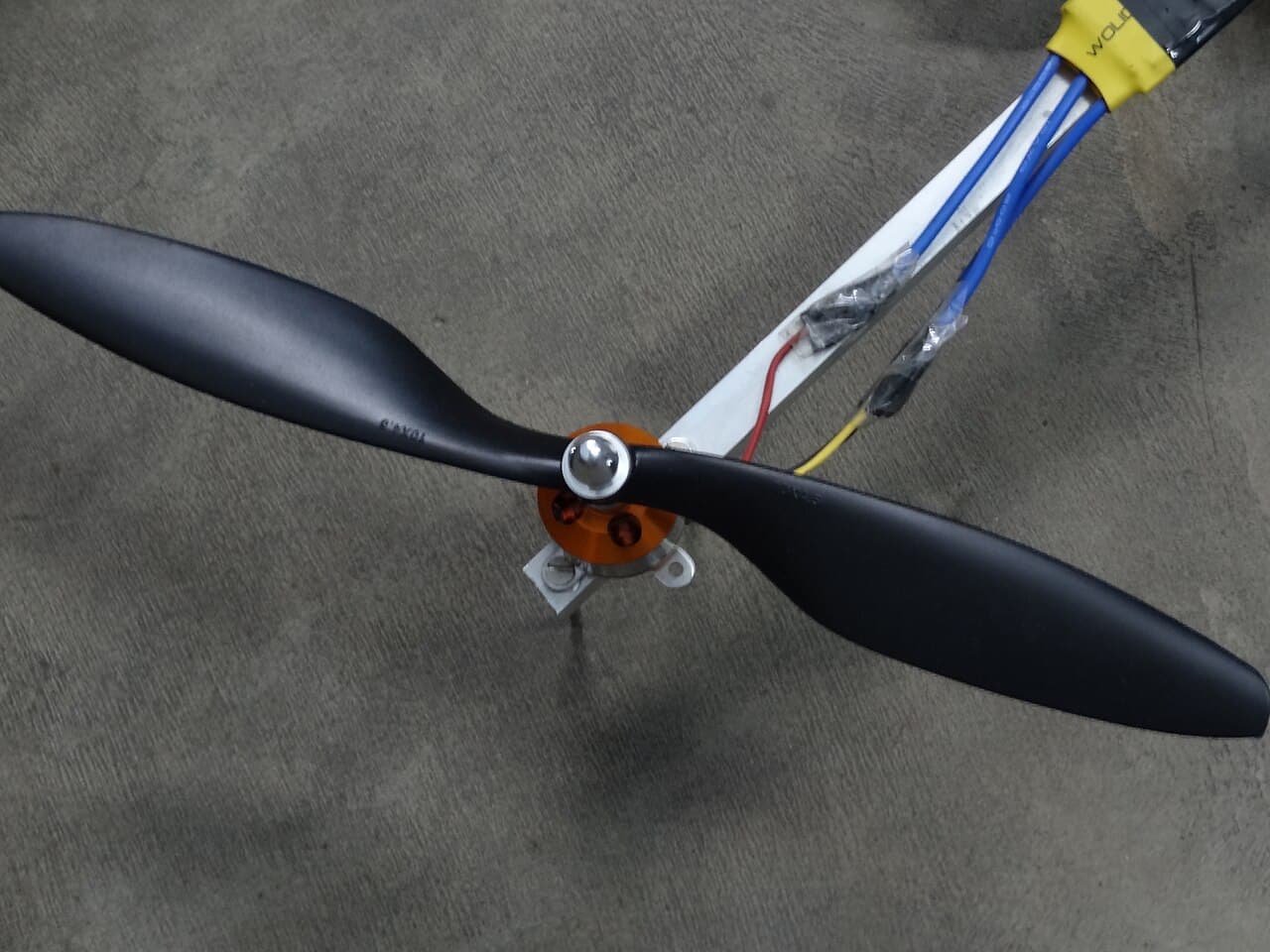
Every propeller is sold with two numbers, usually written as something like '5x4.3', and those two figures tell you almost everything you need to know before buying. The first number is diameter — the total width the propeller sweeps in inches — and the second is pitch, the theoretical forward distance the propeller would travel in one full rotation if it were moving through a solid rather than air. Neither number alone tells the full story, but together they define the basic character of how a drone will fly, and mismatching them to a frame or motor combination is one of the most common ways beginners end up disappointed with a build.
Diameter has the more intuitive effect: a larger propeller pushes more air per rotation, generating more thrust at a given RPM, which generally translates into stronger lift and better efficiency for tasks like carrying a heavier camera payload. The trade-off is responsiveness — bigger propellers carry more rotational inertia, meaning motors have to work harder to spin them up or slow them down quickly, which makes very large props feel comparatively sluggish for fast, twitchy freestyle flying. This is exactly why racing and freestyle frames converge around 5-inch propellers, while long-range and cinematic builds often move up to 6 or 7-inch props, and why heavy-lift agricultural drones use considerably larger blades still.
Pitch affects a different part of the flight envelope. A higher-pitch propeller moves more air forward per rotation, which generally means a higher top speed but demands more torque from the motor to spin at the same RPM — often translating into higher current draw and shorter flight times. A lower-pitch propeller is gentler on the motor and battery, delivering smoother, more efficient power delivery, at the cost of some outright speed. Pilots who fly primarily smooth, cinematic freestyle often prefer a slightly lower pitch for that buttery, controlled feel, while pure racers frequently accept the efficiency penalty of higher pitch in exchange for raw straight-line speed.
Blade count is the variable that doesn't show up in the size numbers but matters just as much in practice. Two-blade propellers are typically the most efficient option, converting the most battery energy into thrust, and are popular for long-range or efficiency-focused builds. Three-blade propellers, the most common default on freestyle and racing frames, trade a bit of that efficiency for noticeably smoother, more predictable handling and better bite during aggressive manoeuvres. Some pilots go further still to four or even five blades for maximum smoothness and control at low speed, accepting a real efficiency cost and reduced top speed in exchange.
The practical rule for a new builder is to start with whatever propeller size and pitch the frame and motor manufacturer recommends — that combination has almost always been tested and tuned to work well together — and only experiment once you have enough flight experience to actually feel the difference a change makes. Propellers are inexpensive and easy to swap, which makes them one of the few components in the hobby where trial and error is both cheap and genuinely educational, so don't be afraid to keep a few different sets in the field bag and compare them back to back on the same frame.
Written by Shivani Singh
Keep Reading
 Racing
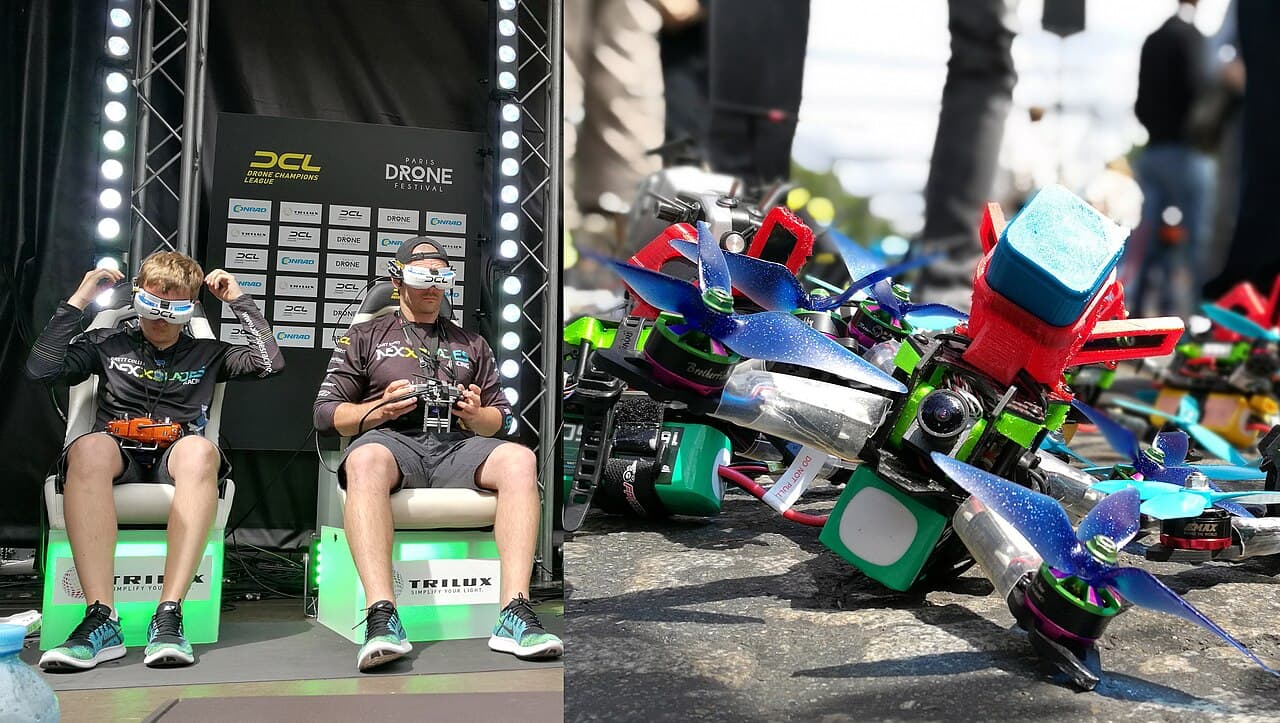
The Rise of FPV Drone Racing in India
From garage hobby to televised sport — how first-person-view racing found a home in Indian cities and college campuses.
 Buying Guide
Choosing Your First Beginner Drone: A Complete Buying Guide
Camera drone, mini whoop, or a ready-to-fly kit? A practical framework for picking a first drone without wasting money on the wrong one.
 Tech
TechUnderstanding Flight Controllers: PID Tuning Basics Explained
What a flight controller actually does, and why three letters — P, I, and D — decide whether your drone flies smooth or oscillates itself out of the sky.